Well That About Wraps It Up For Oil
Well That About Wraps It Up For Oil
Oil is so hot right now!
So I have been getting into oil recently. No not cooking oils (that was last year), or mineral oils (that was 2013 and several computer components suffered). Good ol’ Petroleum. Also known as Dino Goo or Black Gold, this stuff is for whatever reason really big right now. No idea why.
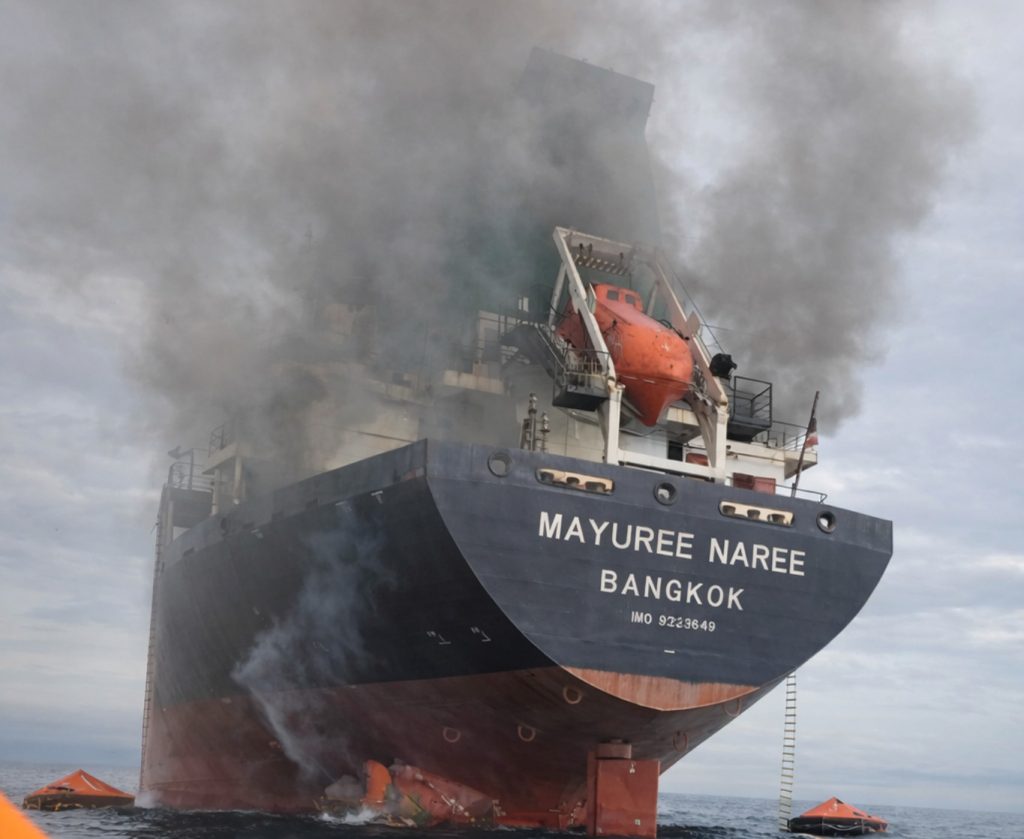
No idea at all.
Anyway…
Long story short, the world has discovered to their shock and horror that maps exist and that the digital revolution didn’t replace supply chains of real world materials. You would expect after the whole global COVID-19 pandemic that we’d have learnt that lesson but apparently we’re in the remedial class and now the teacher has to explain it to everyone again.
For those of us living under rocks and wondering why gas and diesel prices are shooting up like Bitcoin won’t, no it’s not because the crypto bros have got into commodities trading (or… is that the problem? Something to think about), it’s because the biggest crypto bro decided that opening Persian Pandora’s Box was the best way to ring in the new lunar year.
For those of us in the future looking back, it’s about late March 2026, and the stupidest war in history (oh god please be still the stupidest war in history future readers) between the USA/Israel and Iran is about a month in. Iran has, predictably, closed the strait of Hormuz, which is at the time of writing the only way in or out of the Persian Gulf. I say this because some US political luminaries have suggested nuking a new path out of the gulf and frankly I’m not confident enough that the US will not do something that stupid given literally everyone saw this coming.
That’s resulted in an economy shattering worldwide energy and shipping shock, as there are quite a few ships stuck in the gulf, and something on the order of 1 in 5 barrels of oil are sourced from the gulf. Removing a solid fifth of all liquid fuels from the global market is less of a problem to resolve and more of an asteroid plowing into the economic world and there is not a god damn thing anyone can do about it. We have already had a historic coordinated release of 400 million barrels of oil, which buys us an incredible 20 days of time. The good news is that is better than 0 days. The bad news is that the global strategic reserve of oil appears to be as much of a strategic reserve as my strategic reserve of whiskey: Impressive in theory, only lasts a month in a bad situation.
Let me explain to you my delightful worldview here:
1. Who wins: The sum total of human economic output or one Straity boi?
Previous oil shocks have generally been to disagreements involving OPEC, the Dudes That Make The Oil, who are basically a cool cartel with an effective monopoly on fossil fuel production.
Don’t ask why standard economic practice involves a monopoly and a cartel and everyone is cool with it. That isn’t the point of this class.
Anyway, back in the seventies (and at a few other times) OPEC decided to just stop selling oil to certain countries (like uh, the USA) and threw their economy into a tailspin. That was pretty bad. Now is not like that. OPEC would very much like to sell their oil to the USA. To anyone. The problem is that they cannot.
Time for a bit of geography:
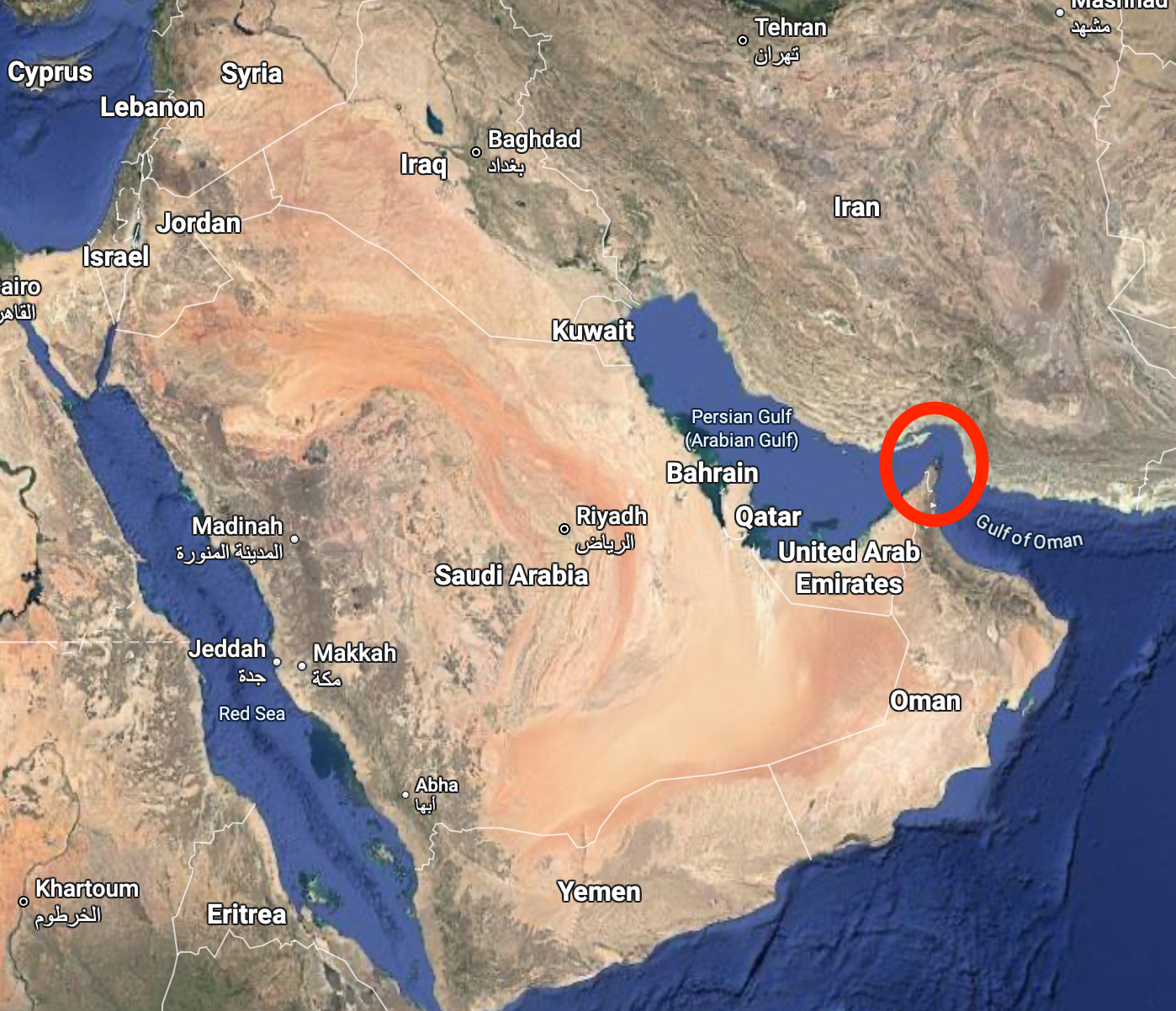
This is the Middle East, named such for being in the Middle of the East. You will notice it is very dry. This totally won’t become a problem in future if someone bombs desalination plants.
Totally
Anyway ignoring that, you will also note that a lot of natural chokepoints exist, the Suez canal, the Red Sea in general, and (highlighted for your benefit) between the Gulf of Oman and the Persian Gulf is a lil’ guy called the Strait of Hormuz. You will note that there is no alternative method in or out of the gulf than the Strait of Hormuz. You will also notice it is not particularly wide, and there is a lot of contact with Iran along the coast.
This little passage is traversed by a frankly insane number of ships a day. Approximately 20 million barrels of oil a day pass through here. A barrel is approximately 159 litres of oil, meaning that an astronomical 3 billion litres of oil pass through this strait each day. And of course, enough ships to carry that oil travel back the other direction in to the gulf at the same time. It is ridiculously busy, and crowded. If someone wanted to, say, take pot shots into the area, it would be hard not to hit a ship on the average day. And that’s not counting other things the area produces, like LNG, and fertilizer.
The casual tossing-in of those other products is what we call foreshadowing.
So back in the 1960s/70s it was pretty clear to the world that the Strait of Hormuz gave the Persian Gulf this really neat property of being easily blockadable. And the sheer importance of oil to the functioning of the modern economy meant that such a blockade would be existential to not just capitalism but probably civilisation as we know it. So, the various world powers started funding the suuuuper corrupt Shah of Iran to protect the Strait, as they were positioned geographically in such a way to be the major gatekeepers of the Strait. This worked very well for everyone and was a good idea.
And then in 1979 the people of Iran overthrew the corrupt government and replaced it with the Islamic Republic. Ten points for kicking the corrupt bastards out, not exactly sure you replaced it with something better. But hey, that’s history for you.
This of course scared the bujeesus out of the rest of the world due to the aforementioned Iran being super well placed to gatekeep the carotid artery of the entire global economy… so they funded Iraq in a war with Iran in the hope that this would terminate the fledgeling republic. Long story short that failed, and led to a four percent drop in the global supply of oil, which led to the 1979 Oil Crisis and the global recessions of 1980, which led to such incredible artistic endeavours as Mad Max based on a world where the entire economy had collapsed due to the implosion of the energy market.
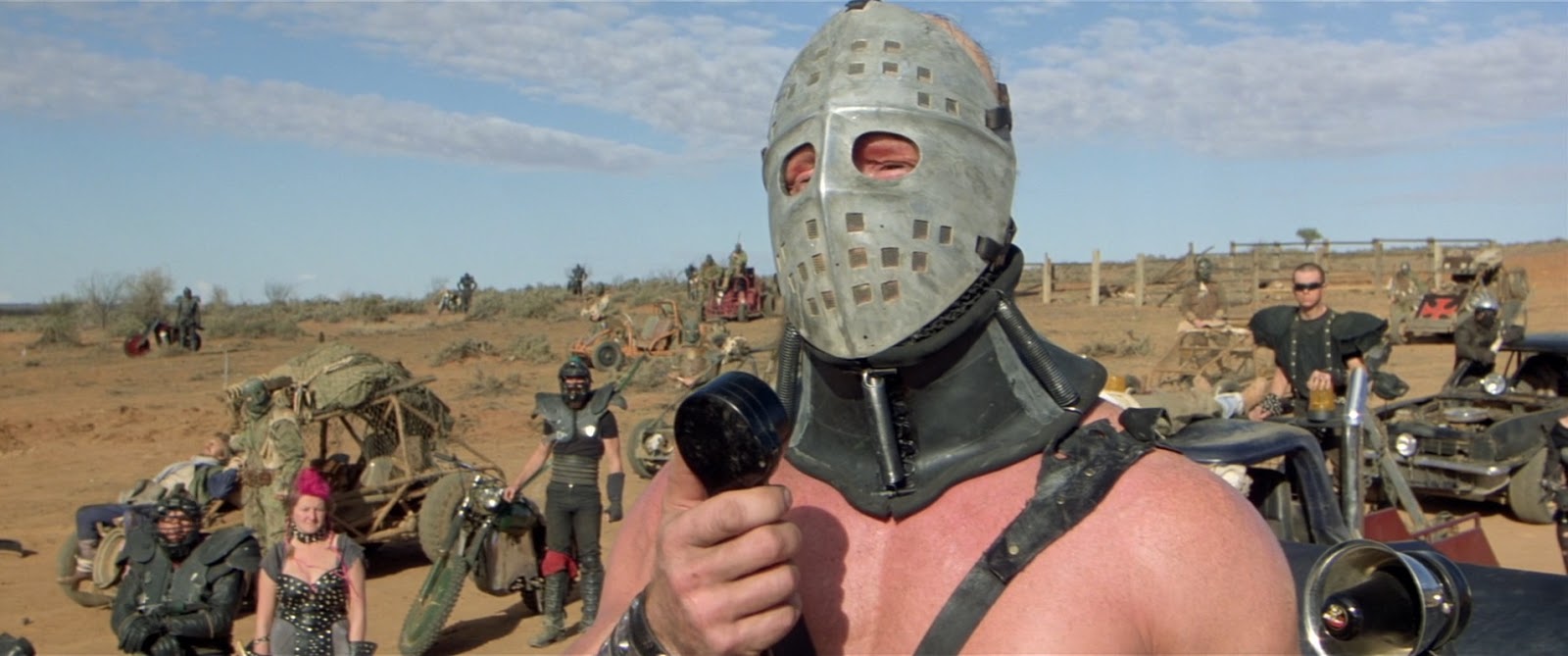
Well, they say that those who do not learn from history are doomed to repeat it… and given that people aren’t reading anymore, we’re aiming at repeating with gusto. Thanks to the USA’s actions and the predictable — because it was extremely obvious for over 50 years — Iranian reaction has resulted in 20% of oil being cut off. If four percent resulted in worldwide recessions, twenty has got to result in… well we don’t know yet, but it’s gonna be gnarly! Future readers, please comment with what happened, I sure want to know and am not going to enjoy finding out. Some people have correctly pointed out that there is spare capacity that could absorb this shock. However as we live in a slapstick comedy universe, the world has found out that it’s done the equivalent of leaving the key to the safe in the safe — the spare supply is overwhelmingly located in the Persian Gulf.
The world cannot vibe 3 billion litres of black goo into existence. All the money you might be able to use to offset the damage is locked up in vibing dumb utilities into existence (amongst other terrible things I will not speak of). The rollercoaster is heading at maximum speed into a wall, we can all see it, and nobody is getting off Mr Bones’ Wild Ride.
2. Damage Report!
Okay so what’s going on right now, in broad strokes?
2.1. Tech startup’s think they own disruption. Well kid, this is disruption
The situation in the Gulf is dire. Iran has cheap and effective kamakaze drones that they are able to rain down on their neighbors and any vessel in the area with effective impunity. The tools to destroy these drones are missiles that are an order of magnitude more expensive to produce at least, and it turns out that Iran has weapons in storage that nobody really knew they had.
Iran is targeting their neighbors in an attempt to load pressure on the USA to stop the war, which appears to be having some effect at the current time, but also means that the pressure on the oil market is insane. Cybersecurity specialists know about the difference between Limited and Unlimited risk scenarios, so this might feel a little familiar if with much larger stakes. The world economy tends to consider oil shocks as a limited risk situation. They are finding out in real time that the risk isn’t cost increases, it’s unlimited — and existential.
So far, the war has impacted:
- Oil flows
- Refineries
- Tankers
- LNG capacity (both extraction and refining)
- and Insurance
That last one is suuuuuuper important, because insurance companies use probability math and actuarial science to make a profit. When the risk becomes this insane, the cost of insurance exceeds the revenue from shipping… and quickly it becomes impossible to cross the Strait of Hormuz from a financial perspective. This way Iran can say “Nah mate we aren’t blocking the Strait, just hitting ships aligned with our enemies” and actually allow some ships through, whilst still delivering impossible financial penalties to the world.
It’s far cheaper to scare the pants off some bean counter half the world away than to actually bean every ship passing through. It’s also way harder for the US navy to defend ships from nebulous fear than actual materiel. Clever tactic, gotta admire the game.
In more actual damage though: Qatar — who produces 20% of all LNG globally — has lost 17% of their export capacity to a series of Iranian strikes as retaliation for Israel bombing the Iranian LNG fields. Now nobody can have LNG, for something like 3-5 years as Qatar repairs their infrastructure. And that assumes the war ends promptly, and that Iran doesn’t blow up the remaining 83% of the LNG infra.
This is actually even worse than the oil problem (one could call it the real sleeper issue) — because LNG has far fewer producers, and is way less fungible than oil as a result. This means that power prices will be hit fast and remain up until LNG stops being a major power source. Also — fun fact — LNG is the primary production method of urea, which is critical for agriculture. Food security is now at play, for three to five years.
2.2. Sadly, hacking the real world is not very effective.
Q: Can we mitigate? A: Sorta? Maybe? Not really.
So Saudi Arabia happens to bridge across to the Red Sea, so they’ve got a pipeline over to the Red Sea to send oil over to a port in Yanbu in case they need to. Well, they need to, so that’s being used. Problems:
- The throughput is only up about 4 million barrels a day, which is a lot, but not enough
- This is a well known pipeline, and if Iran wants to hit it, they totally can
- This isn’t going to replace the output of the other gulf states
There aren’t any other real mitigating factors. Nobody else has alternative methods of getting oil or gas out. It’s Hormuz or nothing.
2.3. Crack open the Strategic Reserves!
We’ve already started this, the 400 million barrel release is designed to reduce the pressure on the market in the meantime. But the question is… meantime for what?
The hope is that the war ends before the release runs out, but even if that happens we’re looking at a couple months for supply to return to normal so… I mean it’ll suck but maybe we’ll be okay?
The problem is that Iran does not look like they’re in the mood to calm down. So from the perspective of someone outside diplomatic or intelligence circles like I am, ahhhh… that seems unlikely. Again, future readers, please comment with what happens below.
So what might resolve the crisis? We use the time to find a way to reroute oil to where it’s needed? Or prepare rationing processes? Or maybe we find a whole bunch of oil in our other pair of pants?
What if we run out of time?
3. How Bad Could It Possibly Be?
So, let’s say it gets real bad. The US takes Kharg Island in a sick homage to Battlefield 3, and shortly after thanks to a breakthrough in Mossad intelligence Seal Team 6 manages to capture and destroy Iran’s remaining Uranium reserve. The IRGC responds quickly and aggressively to this existential threat by mining the Strait, and hammering any and all oil infrastructure up and down the coast with enormous numbers of drones and missiles, committing a sizeable portion of their remaining arsenal to the effort. The reduced numbers of interceptor missiles fail, and not only are oil extraction and refining facilites heavily damaged or destroyed all across the gulf, but so are water desalination plants and ships in the gulf and the gulf of Oman. This results in a huge overland evacuation effort of the gulf states (and of Riyadh, the capital city of Saudi Arabia, which relies heavily on desal). The war expands dramatically, and the strait is closed to all traffic. Even once the war ends, there are several years of effort needed to repair the infrastructure and to get supply back to normal. All in all, it is over a decade before we’re back in the position we were at the start of this year.
Not a great situation. Also entirely fictional, but we’re exploring what the worst case here is.
How does this play out?
3.1. Short term (1-3 months): Ohhh noooooo.
I won’t lie, this would not be good.
Oil product prices would skyrocket. Whilst the actual supply gap won’t be too much different, the speculative parts of the market (ie, futures) will drive the price to the moon. Stupid dollars per barrel. The prices will continue to rise until enough demand is eliminated, either by government policy or by the sheer inability to pay. When the average diesel SUV refil costs 800 dollars to do a refill… well I mean nobody’s gonna be driving those. And that will eliminate demand. Eventually those that can pay will have, and those that will not… will not.
Governments are required to strategically prioritise the fuel available, which broadly means essential sectors get it. The strategic reserves don’t last, but do offer enough buffer to plan. Costs of everything balloon, inflation goes 8-10%. People find themselves in a COVID-19 situation where they can’t go far or do much, and where all the toilet paper is gone because it’s a large item, people notice it goes missing due to logistics being hard suddenly, and they freak out again.
Long story short: There is no cool and magic way by which the load is balanced. There’s just whatever mechanisms we choose to prioritise delivery and to reduce demand. In the absence of other processes, that mechanism is “It Gets Hella Expensive”.
3.2. Medium Term (6-12 months): Slow adaptation to the Pain Dimension
Eventually the global market will start planning for a new world. But to get there it’ll have to live through a recession handbrake-turn out of fossil fuels. Once it becomes apparent that Hormuz Ain’t Opening Yo, alternatives will be explored. Saudi Arabia will (likely with external backing) start reconstructing what it can with a focus on piping oil overland to the Red Sea. It’s probable the other states, if they are in a place to do so, will follow suit. They are going to need that revenue to rebuild their shattered infrastructure, so it is a priority. Maybe not as much a priority as water, but it will happen.
Some rerouting and beefing up of extraction and refining will occur elsewhere in the world too, but it won’t be on the scale of the Persian Gulf. This will help, but the idea won’t be to rely on this anyway. This is a short term gap fix to help bridge to the new energy order that will be gathering steam in the wings. EV sales may be subsidised to reduce consumer demand on oil. In extreme cases (or in cases with particularly bullish governments) combustion engines may be straight up banned or bought back. The demand for Chinese photovoltaics will start to rise. Infrastructure plans for geobatteries and interest in large scale energy storage infrastructure will start to gather steam.
It’s gonna take a while, but we’re about to do what three decades of worrying about global warming never could. We’re about to leave fossil fuels behind.
This adaption is not going to come cheap, mind you. The list of things brutally impacted in this time period include:
- Cars (I for one would not be able to visit my family in the same city in such a scenario. Probably for a while)
- Power (esp if your government has decided gas is a good power source)
- Flight (All tickets are now first class pricing or worse. Good luck.)
- The entire industrial sector
- Construction and any business that decides that it requires large scale logistics at any time for any reason
- Energy intensive industries (smelting, for example) get repeatedly punched in the dick for months to years in a way the others just don’t
It will involve an enormous global recession if not depression. Standard of living will go backwards, and it will suck for a bit. Governments will find out real quick that they are going to have to help subsidise things they need to keep and drop things that aren’t worth it.
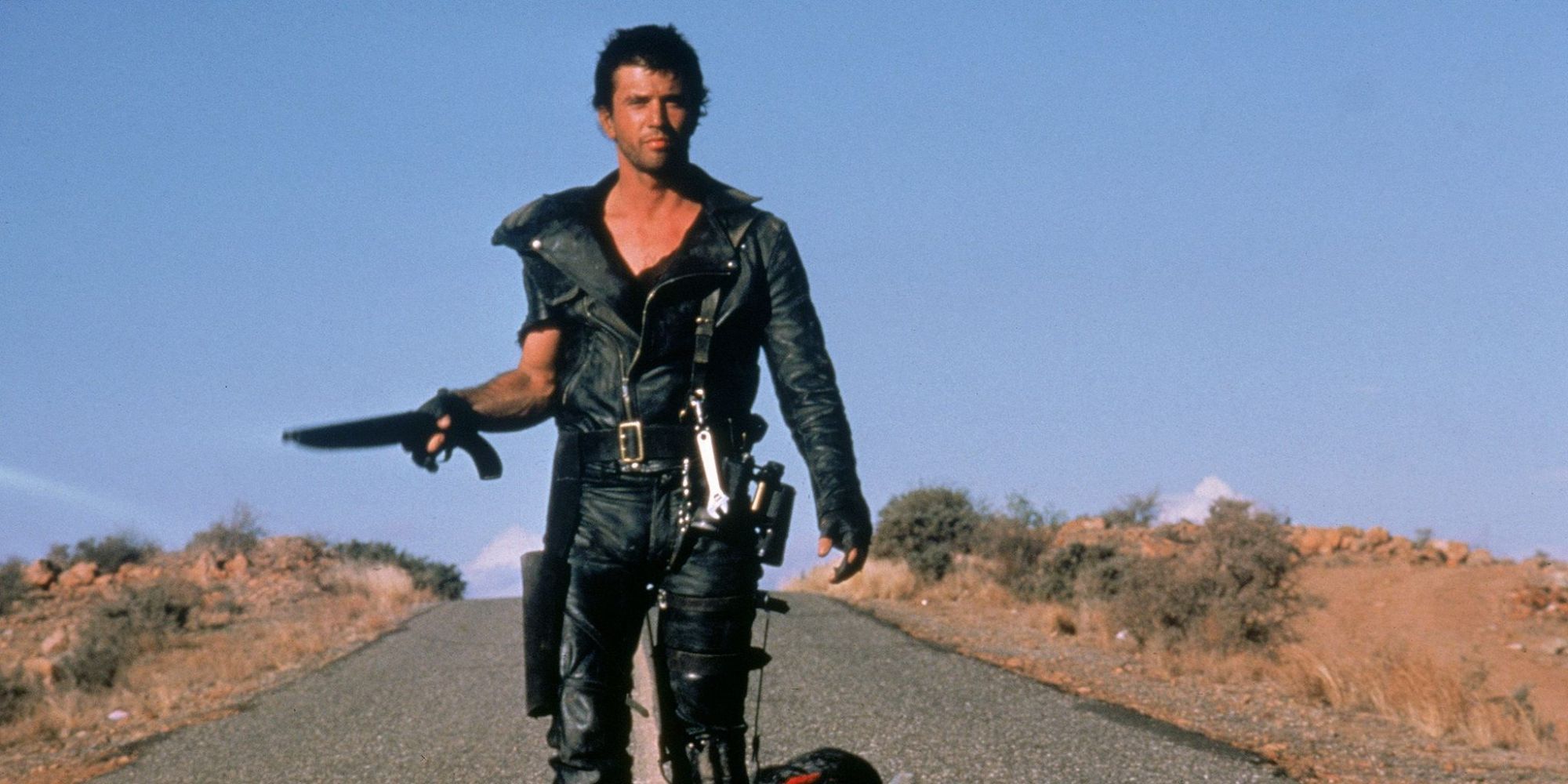
Really entertainingly, this could obliterate a huge chunk of the tech sector. The enormous bets placed on AI and the future of computing/work will simply black hole themselves out of existence, sucking any company attached to it along into the void. The world we will be entering after this period will have wildly different polarities. It’s possible that this process ends the Petrodollar and begins the era of the Renmibi as the global reserve in earnest. The impact might straight up end the war itself. It’s possible the impact to the US economy is so great that it explains why President Lisa Simpson inherits a bankrupt and ruined economy from President Trump. Heck, we could after all actually get Mad Max.
However, there is eventually light at the end of the tunnel.
3.3. Long Term (1-5 years): Solarpunk Future What?
The long term is not that oil has infinity price forever. Eventually infrastructure recovers in the Gulf, and eventually Iran decides to chill out a bit. That or they lose somehow, I’m not looking that far into the future in this crystal ball adventure. The long term is that the demand is eliminated one way or another, and that the entire world changes its perspective on energy. It’s no longer a guaranteed thing, it’s part of national security discussions in a way it never was before. Many more countries now have sovereign control of their own energy infrastructure, and the Chinese PV industry has become one of the most valuable industries on earth in much the same way as oil before it. EVs are basically omnipresent, and the few remaining ICE vehicles are pretty much museum pieces because you can’t really buy petrol to drive them affordably. Trucks and tractors are electrified. Power grids are broadly distributed and battery heavy. A lot of domestic capability in refining and storage for the fuel countries do need (jet fuel, for example) has been or is in the plan to be brought online.
The world will survive, because we are already on a journey away from fossil fuels. This will just make it very fast, and very uncomfortable. Oil won’t end in a civilisation destroying kaboom, but in a thousand procurement memos and emergency cabinet meetings, and will be replaced with a world suddenly generating a bunch less carbon. It’s not like there’s not oil and oil products around, it’s just too expensive to keep using as a primary energy source for everyday things.
So actually, a good ending. Even though it would suck to get there.
The real set of events we’re about to live is probably better than this, so hey it’s only up from here! Right?
Right…?
4. Watch out, I’ve got Vegemite
So I live in Australia (shocking I know), and even though we are the Mad Max universe, we’re probably not heading that way. Let’s take a look at the space we’re in currently… with obviously the note that it’s the 25th ish of March and things can always change fast:
4.1. Stockpile? What Stockpile?
We uh… kinda missed the memo on having a 90 day supply of fuel in country. Worse still we put our strategic reserves in the USA for some reason (okay I’ve talked to people I know why, I know it doesn’t matter anyway cause we don’t have places to store or refine it here, and we have emergency reserves too, don’t be mad at me). But, we do have about a month of fuel lying around. And, we still appear to have fuel being delivered to the country for the next month-ish. The media is losing it’s shit about the idea that we don’t have firm commitments because of supply shortages beyond that… but also the media are a bunch of fearmongering flighty idiots at the best of times.
We have an ace up our sleeve. It’s name is Woodside Energy.
You see, Qatar has had a Bad Day. They produce 20% of all LNG worldwide, and they can’t get it out… and they now can’t process it properly because someone put a few missiles through their industrial city. How rude.
Western Australia produces a reasonably chonky chunk of LNG from the gas fields up north, gas that is not impacted by the Stupidest War In History We Hope. LNG shortages are way more dangerous than oil shortages because, as stated before, they’re less fungible as there are less producers in general and you tend to use it pretty quickly. Plus, what you use it for is broadly baseload electricity production, which means it hits everything pretty evenly. We can ensure countries keep the lights on. That’s what’s called a bargaining chip. A pretty freaking good one too, honestly.
What’s probably going to happen is that we’re going to be able to use our economic strength and primary resources to barter our way into some level of fuel stability. We may still have to ration consumer fuels, but it’s not going to be lockdown level no-driving-for-you stuff. That will probably get us through till supply returns to normal.
4.2. The Future Diesel is here, it’s just not evenly distributed
We’re also seeing shortages in fuels all over the country, and people are kinda worried. This is a great chicken-and-egg scenario because the worry created the shortage. We managed to jump demand to 200% of baseline basically overnight across the country, which has created a mini-supply shock of it’s own because logistics aren’t magic. This is the same thing as the run on toilet paper back in 2020! It’s hard to ship trucks of fuel around, so when everyone turns out in force to fill a Bunnings Warehouse worth of jerry cans… well there isn’t enough fuel to go around.
Standard rules apply: Prepping only harms the community and doesn’t help you, because you are way more dependent on everyone than you think. Never panic buy, don’t let your friends and family panic buy, because if nobody panic buys there’s always enough for everyone.
The important thing to remember for Aussies (and probably most western countries) is that we have a lot of money, which means we have a lot more capability in procuring oil products than some of our neighbors. Just because Vietnam is rationing right now does not mean we are going to in short order.
Also storing 20 jerry cans in your garage is a fire hazard the kind of which you do not want to experience. Especially when construction is likely about to have a bad time for the next year or so.
4.3. What’s That? Neoliberals Taking An L Again?
In WA we have a requriement that domestically produced gas is reserved for the domestic market, basically we have a chunk of whatever is extracted on the mainland that can only be sold to West Aussies. This suppresses the hell out of gas and electricity prices and was generally considered a galactic scale W on the part of the government of the day.
The East coast has a unified power grid and simped out when the gas companies came to negotiate. As a result, the east coast pays international pricing. So while I’m probably going to have a major logistics sad living in the most isolated capital city on earth, at least power isn’t gonna be mega expensive.
Over east however… well…
Okay the good news is that you aren’t anywhere near as dependent on gas as you were say, five years ago. The bad news is the cost of electricity is going to go up anyway and it’s gonna suck ass.
Next time make the companies pay, okay?
4.4. Bean Counters Report Bean Situation Not As Dire As First Thought
While it’s always something that can change, the fiscal bureaucracy in Aus in the treasury department are expecting an additional 0.75-1.25% hit to inflation in an environment where oil sits for a while at $100-120 a barrel. This is, frankly, miniscule compared to the nightmare scenario we considered previously. While it’s possible this is just entrenched wishful thinking, these guys are career bureaucrats and not politicians, so I’m at least somewhat confident that means that the situation is “Suckage but not maximum hell suckage”. Recession possible, not likely.
That should seem pretty incredible, but might just be an indication of what is realistically likely rather than what the worst case scenario would be. Financially speaking, Trump might just TACO out real hard. He might already be doing that.. Future readers, those comments, I beg of you.
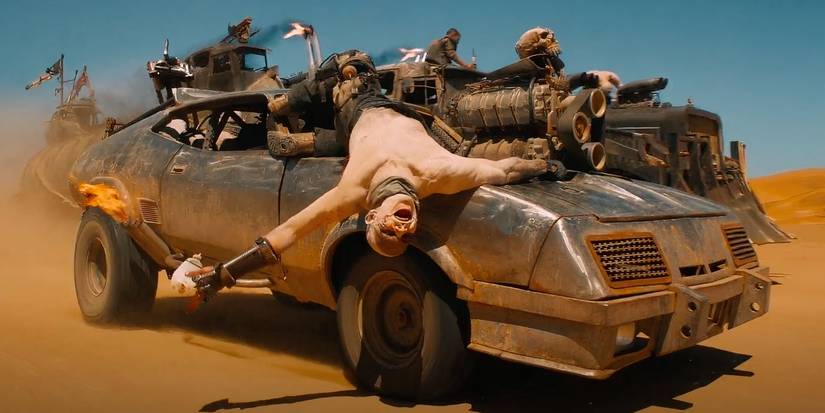
4.5. No Mad Max This Time, Costume Designers Most Affected
Long story short we’re probably going to be fine, here at least. Australia is not uniquely doomed in this scenario. We are simply very far away, heavily import-dependent, and fond of pretending logistics is somebody else’s hobby.
5. A Note On The Invisible Hand
Just to point something else out, this is not to say that the market is going to fix everything on it’s own either. Markets tend to work by pricing things at the point where people are able to afford the supply, which is to say techncially there is no shortage if only the multi-millionaires and above can pay for the fuel to drive a car around. This is a terrible way of handling it as it is chaotic, uneven, impacts goods way more than you would ever want (like, oh I dunno… food), and pushes the average citizen toward doing things like siphoning fuel out of those rich dudes cars. Expect governments to act in delightfully non-competitive, anti-capitalist ways for brief periods of time. Maybe they’ll even — gasp — tax the wealthy!
So yes, Markets are very efficient at solving shortages, provided you are comfortable defining “solution” as “lots of people can no longer afford the thing.”
6. Oil Can Never Die So Long As There Are Italians With Olives
So, even in the worst case scenario:
- Would Oil vanish? No, it’d still be around, it’d just be used… more responsibly? More frugally anyway for sure.
- Will we all die in poverty? No, but it would suck for a while. Thankfully we have this whole “green revolution” thing to fall back onto like a real world Checkov’s Gun.
It would shatter the assumptions that underpin the global economy though, which is probably about time given that we’re still striving on in that direction even with the USA being run by some guy who think tarrifs are paid by other countries. And it would make things evolve faster. Which is odd, do we just need to cause a world-spanning catastropic crisis every time we want to make change? It seems to work. I don’t think that’s a good thing but I mean, work with what you’ve got right?
The worst case scenario wouldn’t really wrap things up for oil in so much that it would wrap up the fantasy around oil, that it isn’t political, that it’s always there, that it’s somehow cheaper than just using renewables god dang it.
So what is likely then?
Frankly… we don’t know. Probably a prolonged, partial disruption that sucks ass for a few months and resolves sometime next year. Partial rerouting of oil and gas in ways that don’t put it into the Persian Gulf. Partnerships between countries to make logistics work in new and diversified ways. And of course, stop-start escalation that eventually turns into the USA chickening out because they don’t want to commit their troops to taking the mountaineous south coast of Iran in what I can already see as Zoomer Gallipoli. Everyone else can see it too. That’s why nobody is sending troops to help. You only make that mistake once.
Does this mean we miss out on a solarpunk dream? Eh, maybe? The economics of solar are hax, it’s inevitable, but slow. However the amount of people I know buying EVs right now mean that energy demand is about to shoot up, and the cheapest way to make more power is solar… so it’s probably going to accelerate decarbonisation anyway, and without causing the kind of economic disaster that is talked about in hushed tones hundreds of years from now. So that’s probably a win.
And, given the world I’m currently living in, I’ll take any wins I can find.
Also suck it future readers, there was no comment section after all! HAHA, I WIN AGAIN!
(I’m very stressed right now, let me have this one)